
In
my last post I talked about the workflow I use in Pro Tools. I talked about the
way I setup my session and how I route my audio tracks. In the post today, I will
be talking about mixing in Pro Tools and different techniques I personally use
when mixing. (For my ‘Workflow in Pro Tools’ post, click here). Before I get into my post I just want
to reiterate that there is no one right way of mixing music, so bear in mind, I
am just sharing with you my personal techniques I use when mixing.
Friday, June 14, 2013

Tuesday, June 11, 2013
My Workflow in Pro Tools
As
many of you may know, Pro Tools is the industry standard for music production
in professional recording studios and is also my DAW (digital audio
workstation) of choice. The most current version of Pro Tools is Pro Tools 11,
which comes out sometime this summer. To find out more information about Pro
Tools and the new additions in Pro Tools 11, check out my review here. In today’s post I will be talking about
the workflow I use in Pro Tools.
Thursday, May 9, 2013
Business Plan Development

In my previous post I talked about online
streaming and whether it is the death of physical mediums. I highlighted some
online streaming services such as Netflix and Spotify and the benefits of using
them. You can check out that post here and let me know what you guys
think about it.
In today’s post however, I will be talking
about a business related topic, Business
Plan Development. I will examine and summarize the views of two recognized
experts in the field of writing/reviewing business plans in terms of what they
believe to be critical and key to include in a business plan.
Thursday, April 25, 2013
Online Streaming: 'The Death of Physical Mediums'?

Online Streaming is
the process of starting a progressive download of a file, where the file isn’t
downloaded to your computer, but is stored as data and streamed from a server. The decoder is a stand-alone player or a
plugin that works as part of a Web browser. The server, information stream and
decoder work together to let people watch live or prerecorded broadcasts. In a
simpler version, anything that is not physically stored on your device (phone,
laptop, etc.) that you are accessing via the Internet is probably streaming
from a server.
Thursday, April 11, 2013
Pro Tools 11 Review
In
today’s post, I will be reviewing a new version of the software Pro Tools 11.
For those of you who may not be familiar
with this product or have not read any of my previous blogs, Pro Tools is the next
generation of the best sounding, most widely used audio production software in
the industry. The software enables you
to record, compose, edit and mix with great speed and ease. Pro Tools is the
industry’s standard for recording studios and is the best software, in my
opinion, for tracking/recording and mixing vocals. Pro Tools is created by Avid
and sells for around $300 - $600, depending on the version purchased.
Friday, March 22, 2013
Self-Publishing: 'Ways to get your music published yourself'
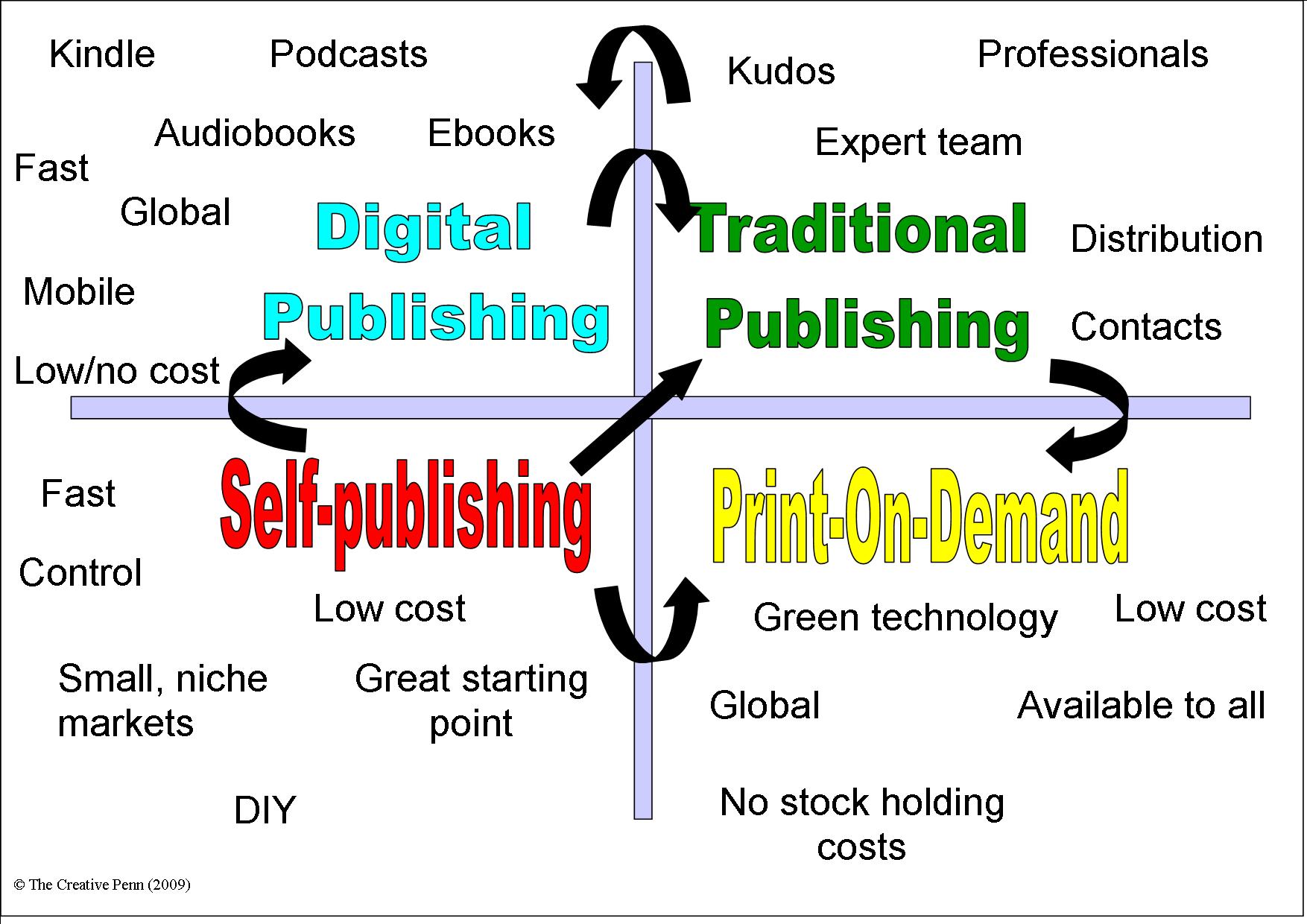
In my previous post I talked about what publishing is and highlighted
some of the big named music publishers in the industry, and today I want to
continue on this topic by showing you ways of how you can publish your music
yourself through “self-publishing”. In this technologically run world new
platforms and mediums exists that enables us to do, by ourselves, what we never
could before, such as recording and producing a complete song on our laptops
and self-publishing without the help of a record label or major publisher.
Top Music Publishers

In my previous
post I talked about famous artists and their managers and the responsibilities
that fall under the scope of being a "manager". In this post I will
be talking about another big part of the industry, ‘publishing’. This topic
will be split into two posts, and in this post I will discuss who some of the
major music publishers are and explain what publishing really means.
Before the print
media and Internet revolution took place, music publishers made their money
selling sheet music. “Today, music publishers are concerned with
administering copyrights, licensing songs to record companies and others, and
collecting royalties on behalf of the songwriter,” (Korn). One big thing to
remember about music publishers is that they are not as concerned with the
sound or quality of the work as they are with the money that could potentially
be made from selling it.
Friday, January 25, 2013
Famous Artists & Their Managers
In my previous post I talked about the roles of artist
managers, their tasks and responsibilities, and the pros and cons of having one,
so today I will be talking about some popular artists and their managers. More
specifically, I will be talking about two distinct categories of artist
managers: hip-hop artist managers and artist managers who are no longer with
their artists. For those of you who may doubt the need for an artist manager,
these examples may help to illustrate the importance of having an artist
manager and how he or she can help an artist’s career.
Wednesday, January 9, 2013
The Ever-Changing Role of the Artist Manager

In my previous posts I mainly discussed the production side
of music but today I will be focusing on the business side of the industry,
more specifically artist managers. Many, if not all of us are familiar with the
concept of artists needing managers, but what do they really do? What does
their job entail and are they even necessary? These are some of the questions that
are often asked about artist managers and in today’s post I will be addressing
these questions.
Saturday, October 27, 2012
Komplete 8: The Must Have Plug-in Bundle

So far I’ve talked about setting up your home studio,
different types of engineers, and different recording software, but today I
will be talking about one of the greatest virtual instrument bundles available for
use in the industry, Native Instruments Komplete 8. A big part of producing
great music is having great VST instruments/plug-ins at your disposal, so today
I will discuss the Komplete 8 bundle and where you can buy it. I strongly
suggest that you purchase a MIDI controller or keyboard before you buy this as
using this software without a keyboard will prove futile.
Thursday, October 25, 2012
Setting up your home studio: 'Money Involved'

In previous posts I have talked about what software I like to use and the different categories of engineers, but today I will be talking about setting up a home studio without breaking the bank. A main factor to take into consideration before buying expensive equipment is your budget. In this post I will recommend t software, microphones, audio interfaces, speakers (studio monitors), and additional accessories that you can purchase at a reasonable price.
Thursday, October 18, 2012
RIAA

In the Music industry an
important thing that you, as a music professional, need to
figure out is what industry niche you fit into. Once you have figured that out
you will then be able to network with other professionals in your field and
start to build relationships, which is very important in all industries. I will address below one of
the biggest, if not, the biggest association in the recording industry, the Recording
Industry Association of America “RIAA".
Wednesday, September 26, 2012
TED Talk: Doing What You Love

In
this post I will be talking about a very important topic, doing what you love. My
post revolves around a TED talk. For
those of you who have never heard of TED, TED is a nonprofit organization that
brings together three worlds: Technology, Entertainment and Design devoted to
ideas worth spreading. I will delve into why doing what you love is so
important not only in the entertainment industry, but in every single industry.
Sunday, September 16, 2012
Different Categories of Engineers
In
my two previous posts I talked about what software I like to use and the
different categories of microphones. Today I will be talking about the
different categories of music engineers. This is a concept that can confuse
people because at times an engineer will crossover from his/her category into
another, but generally speaking, each task is supposed to be handled by
separate individuals. There are three basic categories of engineers: Recording, Mixing and Mastering Engineers. The engineer is responsible for
recording and/or mixing the project as well as fixing any technical issues that
may arise. Before I go into detail about the job of each of these engineers,
just remember that you do not need three of these engineers to produce a song,
sometimes all you need is just one. It really comes down to how well that
engineer can do their job and handle the tasks at hand.
Wednesday, August 29, 2012
Microphones: What you need to know about them

In my last post I discussed recording software that I use for
music production. In this post I will be discussing another great asset for
music producers, microphones. Microphones are used to record audio or sound,
which can be anything from vocals in a studio, to recording a guitar amp and
live drums. Even though all microphones accomplish the same goal, there are
different classifications of microphones, the three most popular being
condenser, dynamic and ribbon. Every microphone is different in regards to its
frequency range (the range of frequencies the microphone is able to
pickup/record) and its polar pattern (the direction in which the audio is
recorded). Despite the fact that all microphones can record sound, some are
better for certain uses over others.
Wednesday, August 22, 2012
Software I like to use
This is my first blog post and today I will be discussing
what music production software I like to use. Before I get started I would just
like to clear up any possible confusion in regards to what music production is.
Music production in its simplest form is creating or producing anything that
has to do with music. Obviously there are different levels of music production
and usually what determines those levels is money, but the basic principle
remains the same.
Subscribe to:
Posts (Atom)

